
Paid Media Growth Plan only pays off when the site underneath it can actually convert the traffic you buy. Most brands still run SEO and ads as two separate budgets owned by two separate people, and that split is where the money leaks. This guide walks through the exact stack for 2026: technical fixes first, intent led structure second, and paid campaigns layered on top with tracking you can trust.

Fix the Foundation Before You Spend Another Dollar
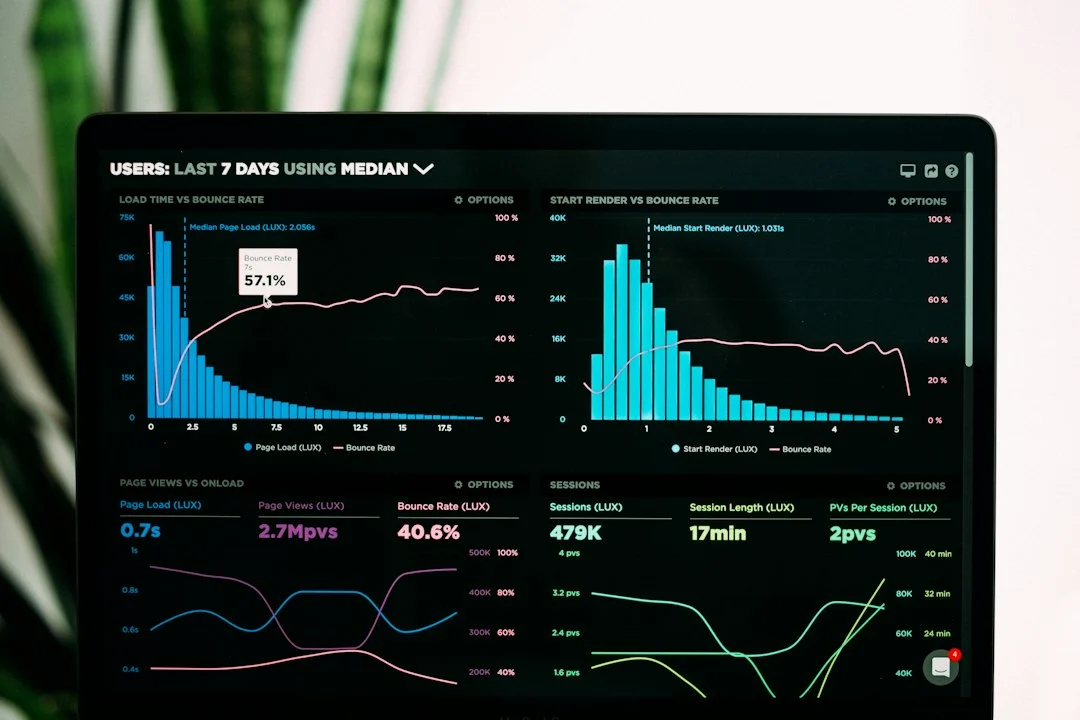
Every ad click lands on a page, so a paid media growth plan really starts with the foundation beneath it. If that page takes four seconds to load, you’re paying a premium for bounce. Core Web Vitals now shape both rankings and ad quality signals, which means slow pages cost you twice.
Start with a technical audit. Crawl errors, thin service pages, broken internal links, oversized images, render blocking scripts. Fix whatever blocks indexing first, then whatever slows down your highest traffic templates. Google’s Web Vitals guidance breaks down LCP, INP, and CLS in plain language if you want to benchmark yourself honestly.
You don’t need a full rebuild. You need a prioritized list and someone who’ll actually execute it. Our Professional Services team handles exactly that for Shopify, WooCommerce, and WordPress sites, from Core Web Vitals tuning to caching, image compression, and code cleanup.
Map Search Intent Before You Map Keywords
Keyword lists are cheap. Intent maps are what move revenue. Before writing a single page, sort your queries into four buckets: informational, comparison, transactional, and local. Each bucket needs a different page type, and mixing them up is why so many service pages rank for the wrong thing and convert for nobody.
Comparison queries deserve a landing page with an honest table. Transactional queries need a service or product page with pricing signals and one clear call to action. Informational queries feed the blog, and the blog feeds internal links back to the money pages. That loop is what makes organic traffic compound instead of stalling.
Then structure it properly. One primary topic per page, one H1, descriptive H2s, internal links with real anchor text, and schema where it earns a richer result. Google’s SEO starter guide is a solid baseline for sanity checking your site architecture before you scale content.
Build the Paid Layer So It Feeds Organic
Your paid media growth plan shouldn’t just buy clicks. It should buy information. Every campaign is a live experiment that reveals which headlines, offers, and audiences convert before you commit a word to your content calendar.
Start with search. Google Ads on high intent terms shows you the exact phrasing buyers use when they’re ready to spend. Pull the search terms report monthly and hand the winners straight to your content team. Those phrases become H2s, meta descriptions, and FAQ answers that rank on their own six months later.
Then test Meta for demand generation. Cold audiences rarely convert on the first touch, so judge those campaigns on cost per qualified lead, not cost per click. Keep creative testing honest by changing one variable at a time. Otherwise you learn nothing and blame the platform.
Set your targets before launch. A ROAS goal, a CPA ceiling, and a clear break even point. Without those three numbers you’re guessing, and guessing is the most expensive habit in marketing.
Tracking That Survives the Privacy Cleanup
Attribution is messier than it was five years ago, and pretending otherwise leads to bad decisions. Set up GA4 and Google Tag Manager properly, use consent mode, and keep your UTM naming consistent across every channel. Sloppy naming turns your reports into noise by month three.
Where you can, add server side tracking so conversions still register when browser signals drop. Then pick one primary metric per channel and stop arguing about the rest. Blended cost per acquisition tells you more than a perfect last click number ever will.
Review the data monthly, not weekly. Weekly noise makes people panic and pause campaigns that were working fine. Monthly trends reveal the real story.
The 90 Day Execution Rhythm
Days one to thirty are for diagnosis. Run the technical and SEO audit, review site performance, and build a priority roadmap that separates quick wins from long term plays. You’ll usually find that two or three fixes unblock more traffic than a whole content sprint.
Days thirty one to sixty are for implementation. Ship the on page changes, launch or rebuild your ad account structure, and confirm tracking fires correctly on every thank you page. Nothing undermines a paid media growth plan faster than a broken conversion tag.
Days sixty one to ninety are for iteration. Measure results, kill what underperforms, and pour budget into what works. This is the stage where a good system starts compounding, because organic pages gain authority while paid campaigns keep feeding you the data to improve them.
If you’d rather not run all three phases yourself, you can start with a single audit and roadmap, move into a monthly execution retainer, or launch fast with a paid media sprint.
Boost Your Workflow Stop guessing and start scaling with our professional solution.
Frequently Asked Questions
Should I invest in SEO or paid ads first in 2026?
Do both, but sequence them. Fix technical health and page speed first, because every ad dollar lands on those pages. Then run paid campaigns while organic content matures, since ad data tells you which keywords deserve long term investment.
How long before SEO shows results?
Technical fixes can move rankings within weeks. New content targeting competitive terms usually takes three to six months to gain real traction. Paid media covers that gap so you aren’t waiting on a quiet pipeline.
What metrics should I track weekly?
Watch conversion rate, cost per qualified lead, and page speed. Save rankings and revenue attribution for a monthly review. Tracking everything weekly creates noise and leads to decisions you’ll regret.
Is this something I can do in house?
Parts of it, yes. Technical SEO, tracking setup, and ad account structure are where in house teams usually get stuck. Starting with an audit and a prioritized roadmap gives your team a clear list instead of a vague mandate.

A Personal Note From Collins E. Iyorah, Founder of XealBrax
I built XealBrax because creators, bloggers, and small businesses shouldn’t have to piece together fragmented tools to grow online. Whether you are optimizing your website performance, utilizing our AI-driven utilities, or scaling through our Creator Network, our goal is to give you a transparent, penalty-free path to digital success. If you want a complete look at how we help brands scale, read my personal guide to get started.